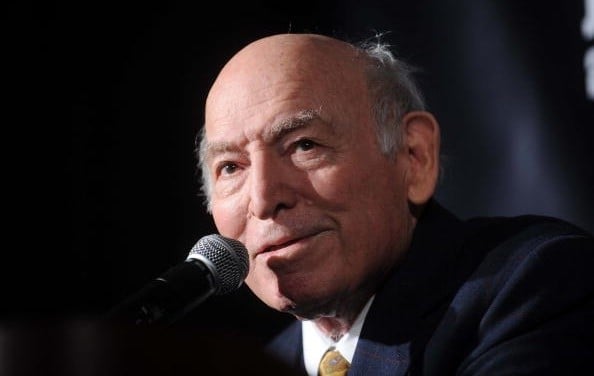
The $10M Vision: George Wein, Founder of Iconic Jazz Festivals
In the vibrant tapestry of jazz history, few individuals loom as large as George Wein, despite never having played a single note on a professional stage. Referred to as "the most important non-player in jazz history" and "the most famous jazz impresario," Wein's legacy is etched into the very fabric of live music. His visionary approach to festival production not only brought jazz and folk music to unprecedented audiences but also established a business model that continues to thrive today. At the heart of his monumental contributions lies a story of entrepreneurial spirit, unwavering passion, and a groundbreaking impact that culminated in a significant financial success, with *George Wein's net worth* estimated at $10 million. This impressive figure isn't merely a testament to personal wealth, but a reflection of the immense value he created for artists, audiences, and the music industry itself.
From Boston's Jazz Scene to the Birth of a Festival Empire
Born in Boston, Massachusetts, on October 3, 1925, George Wein's journey into the world of jazz was destined to be extraordinary. His early life saw him serving in the army during World War II, an experience that undoubtedly shaped his resilience and organizational skills. Following his service, Wein returned to academic pursuits, graduating from Boston University's College of Liberal Arts, where he also taught a jazz history class – a testament to his deep knowledge and passion for the genre.
It was in Boston that Wein laid the groundwork for his future empire. He opened the legendary jazz club *Storyville*, a quintessential venue that quickly became a cultural touchstone. Storyville wasn't just a place for live music; it was an incubator, a community hub, and a proving ground for Wein's nascent promotional talents. He didn't stop there; his entrepreneurial zeal extended to the creation of the Storyville record label, further cementing his influence within the jazz ecosystem. These foundational endeavors were more than just business ventures; they were expressions of a profound belief in the power of music and a keen understanding of how to bring it to people. The success of Storyville provided Wein with the practical experience and contacts necessary for his next, far more ambitious undertaking: the Newport Jazz Festival.
In 1954, Wein launched what would become his most iconic creation: the Newport Jazz Festival in Newport, Rhode Island. This event was revolutionary. Prior to Newport, large-scale outdoor jazz festivals were virtually unheard of. Wein's vision transformed how jazz was presented, moving it from smoky clubs to expansive outdoor settings, making it accessible to a broader audience. The festival quickly became a pilgrimage site for jazz aficionados and casual listeners alike, hosting legends and emerging talents. It was here that Wein truly began to solidify the financial blueprint for large-scale music events, a blueprint that would directly contribute to his significant financial standing. For more insights into how his endeavors translated into wealth, you might be interested in
George Wein Net Worth: Jazz Legend's $10 Million Empire.
Expanding the Horizon: A Legacy Beyond Jazz
George Wein's creative energy and entrepreneurial spirit were far from exhausted after the success of the Newport Jazz Festival. His vision extended beyond jazz, recognizing the diverse tapestry of American music. In 1959, he co-founded the Newport Folk Festival with folk luminaries Pete Seeger and Theodore Bikel. This expansion showcased Wein's ability to adapt and innovate, bringing the authentic voices of folk music to a grand stage, proving that the festival model could transcend genres and attract even wider audiences.
His influence didn't stop at Newport. Wein was instrumental in the founding of other globally renowned music festivals, further diversifying his portfolio and cementing his status as the "most famous jazz impresario." He played a key role in the creation of the New Orleans Jazz & Heritage Festival, an event that celebrates the rich musical and cultural heritage of one of America's most iconic cities. This festival, affectionately known as Jazz Fest, became a cornerstone of New Orleans culture, attracting hundreds of thousands of visitors annually and providing a vital economic boost to the region. Additionally, Wein helped launch the Playboy Jazz Festival, showcasing his versatility and appeal across different markets and brand partnerships.
These ventures weren't just about putting on shows; they were about crafting experiences, fostering communities, and, crucially, building sustainable financial models for large-scale cultural events. Wein's pioneering work in securing title sponsors for his festivals marked another critical innovation. His were among the very first jazz events to feature such sponsorships, a practice that is now commonplace across the entire live entertainment industry. This foresight in integrating commercial partnerships with artistic endeavors demonstrated a profound understanding of both the art and the business of music, directly contributing to the growth of his enterprises and, consequently, George Wein's impressive net worth.
The Impresario's Business Acumen and Lasting Impact
George Wein's distinction as the "most important non-player in jazz history" is not merely a poetic accolade; it's a recognition of his unparalleled ability to curate, organize, and present music on a grand scale. His business acumen was as finely tuned as any jazz ensemble. He understood that for festivals to thrive, they needed both artistic integrity and financial stability. His groundbreaking decision to incorporate title sponsors was a game-changer, providing essential funding that allowed festivals to expand, attract top-tier talent, and reach wider audiences without compromising the artistic vision. This innovation transformed the economic landscape of music festivals, making them viable long-term enterprises.
Lessons from Wein's career are invaluable for anyone in the creative or entrepreneurial fields:
* **Visionary Leadership:** He saw the potential for large-scale outdoor music events when no one else did.
* **Strategic Partnerships:** Co-founding with influential figures like Pete Seeger and establishing commercial sponsorships were crucial.
* **Adaptability:** Expanding from jazz to folk and other regional festivals showed his willingness to embrace diverse musical forms.
* **Community Building:** His festivals weren't just concerts; they were cultural institutions that fostered a sense of belonging.
* **Combining Art and Commerce:** Understanding that artistic passion could be sustained through smart business practices was key to his longevity and financial success.
Wein's contributions did not go unnoticed. He received numerous accolades throughout his life, including the Patron of the Arts Award from the Studio Museum of Harlem and an Impact Award from the AARP. These honors reflect the broad reach of his influence, touching not just the music world but also broader cultural and community spheres. His autobiography, *A Life in Music*, published in 2004, offers a personal account of his incredible journey, providing invaluable historical context and insights into the challenges and triumphs of a true pioneer. Even in his later years, Wein remained connected to the jazz community, serving as a member of the Board of Directors Advisory Committee of The Jazz Foundation of America. This continued engagement underscores his lifelong dedication to nurturing and preserving jazz for future generations. For a deeper dive into the specifics of his financial achievements and enduring legacy, refer to
Unpacking George Wein's $10 Million Net Worth and Legacy.
Conclusion: The Enduring Symphony of a Master Impresario
George Wein, who passed away on September 13, 2021, at the age of 95, left an indelible mark on the world of music. From his early days in Boston nurturing the jazz scene at Storyville to founding the legendary Newport Jazz and Folk Festivals, and later assisting in the creation of the New Orleans Jazz & Heritage Festival, his career was a relentless pursuit of bringing music to the masses. His innovations in festival production, particularly the pioneering use of title sponsorships, not only shaped the modern music festival landscape but also paved the way for the financial viability of such grand cultural endeavors. The estimated *George Wein net worth* of $10 million stands as a testament not just to his personal success, but to the immense value he generated for countless artists, communities, and music lovers worldwide. His vision transformed the live music experience, ensuring that the melodies of jazz, folk, and beyond would resonate for generations to come, truly making him a maestro of the music world without ever playing a note.