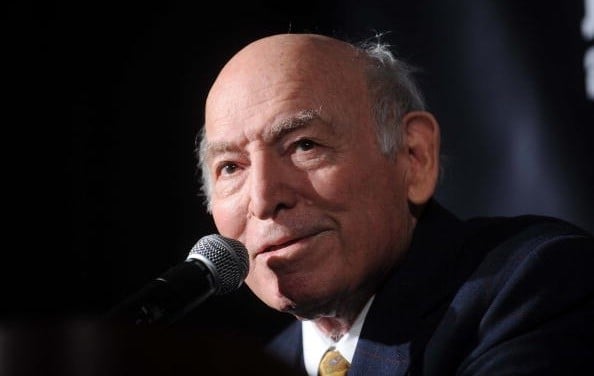
George Wein Net Worth: The Enduring Legacy of a $10 Million Jazz Empire
When discussing the titans of music, names like George Wein often surface not for their instrumental virtuosity, but for their visionary prowess in shaping how the world experiences sound. George Wein, the legendary American jazz producer and promoter, left an indelible mark on the global music landscape, cementing his status as perhaps the most influential "non-player" in jazz history. His groundbreaking work in establishing iconic music festivals has not only entertained millions but also built a substantial financial legacy. At the time of his passing, the estimated George Wein net worth stood at an impressive $10 million, a testament to his remarkable career blending artistic passion with astute business acumen.
Born in Boston, Massachusetts, in October 1925, Wein’s journey was a harmonious symphony of dedication, innovation, and an unwavering belief in the power of live music. From pioneering the concept of the modern music festival to becoming "the most famous jazz impresario," his influence stretched far beyond the stage, creating cultural institutions that continue to thrive today. This article delves into the various facets of Wein's empire, exploring how his early life, entrepreneurial spirit, and innovative approaches culminated in both a substantial fortune and an unparalleled legacy.
The Architect of Sound: George Wein's Early Life and Vision
Before becoming the celebrated impresario behind multi-million dollar festivals, George Wein was a young man with a profound love for jazz and a burgeoning entrepreneurial spirit. Born on October 3, 1925, in the vibrant city of Boston, Massachusetts, Wein's early life laid the groundwork for his future triumphs. His fascination with jazz wasn't just passive; he actively sought to immerse himself in the culture and mechanics of the genre.
- Academic Pursuits and War Service: Wein's journey took an initial detour through military service during World War II, a formative experience that undoubtedly instilled discipline and resilience. Upon his return, he pursued higher education, graduating from Boston University's College of Liberal Arts. It was here that his academic and musical worlds began to intersect, as he would later return to teach a jazz history class, further solidifying his academic connection to the art form.
- Founding Storyville: A pivotal moment in Wein's early career was the establishment of the Storyville jazz club in Boston. More than just a venue, Storyville became a crucible for live jazz, offering a platform for both established and emerging artists. Not content with just a club, Wein also launched the Storyville record label, demonstrating his early understanding of the multifaceted nature of the music business. These ventures were not merely hobbies; they were early expressions of his innovative spirit and his ability to transform passion into viable enterprise, setting the stage for the immense value that would contribute to the George Wein net worth.
These initial endeavors showcased Wein's unique blend of cultural sensibility and business savvy. He wasn't just a fan; he was an active participant in the jazz ecosystem, learning the intricacies of talent management, promotion, and audience engagement – skills that would prove invaluable in his later, grander ventures.
Building a Festival Empire: Newport and Beyond
George Wein's most enduring contribution to the music world undoubtedly lies in his pioneering role in creating the modern music festival. His vision extended beyond intimate club settings, aiming to bring world-class talent to grander stages, making music accessible to broader audiences.
The Newport Revolution: Jazz and Folk
The crown jewel of Wein's festival empire is the Newport Jazz Festival. Founded in 1954, it was the first outdoor jazz festival in the United States and quickly became a hallowed ground for jazz enthusiasts. It not only showcased legendary performers but also provided a template for how large-scale music events could be organized and presented. The festival's success was a clear indicator of Wein's unique ability to merge artistic integrity with logistical mastery.
Following the triumph of the jazz festival, Wein's expansive vision led him to co-found the Newport Folk Festival in 1959 alongside folk legends Pete Seeger and Theodore Bikel. This diversification into folk music demonstrated his understanding of the evolving cultural landscape and his commitment to showcasing diverse musical genres. Both Newport festivals became cultural touchstones, drawing attendees from around the globe and cementing Newport, Rhode Island, as a mecca for live music.
Expanding the Horizon: New Orleans and Playboy
Wein's influence was not confined to Newport. He played an instrumental role in the founding of the iconic New Orleans Jazz & Heritage Festival, a celebration of Louisiana's rich musical and cultural heritage. This festival further showcased his ability to adapt his organizational genius to different cultural contexts. Additionally, he helped establish the Playboy Jazz Festival, broadening his reach and influence within the jazz community. His involvement in these diverse festivals underscores his profound impact on shaping how music is consumed and celebrated on a large scale, significantly contributing to the overall George Wein net worth through sustained success.
Practical Tip: Wein's success lay in identifying cultural needs and filling them with high-quality, well-organized events. For aspiring event organizers, understanding the target audience, securing top talent, and meticulous planning are crucial.
The Business Acumen Behind the Music: Monetizing a Passion
While often hailed for his artistic contributions, a significant part of the $10 million George Wein net worth can be attributed to his astute business sense and innovative approaches to festival management. He wasn't just a promoter; he was a pioneer in monetizing large-scale cultural events in sustainable ways.
Pioneering Title Sponsorships
One of Wein's most revolutionary business innovations was the introduction of title sponsors for music festivals. His festivals were among the very first jazz events to feature corporate backing, a concept now commonplace in the entertainment industry. This foresight allowed festivals to secure vital funding, expand their offerings, and ensure their longevity, transitioning them from ad-hoc gatherings to robust, annual cultural institutions. This financial model was crucial in transforming passion projects into profitable, enduring ventures.
Entrepreneurial Spirit and Diversification
From the Storyville club and record label to his myriad festivals, Wein consistently demonstrated an entrepreneurial spirit. He understood that a passion for music could be channeled into a viable business by:
- Identifying market gaps: Recognizing the demand for large-scale, curated music experiences.
- Building strong brands: The "Newport" brand became synonymous with quality and cultural significance.
- Diversifying revenue streams: Beyond ticket sales, he explored sponsorships, merchandise, and media rights.
- Strategic partnerships: Collaborating with figures like Pete Seeger for the Folk Festival or securing corporate sponsors.
His ability to foresee trends and adapt business strategies ensured the financial health and growth of his ventures. Unpacking George Wein's $10 Million Net Worth and Legacy reveals that his financial success was not incidental but a direct result of meticulously planned, well-executed business strategies applied to his artistic vision. He proved that major cultural events could be both artistically enriching and commercially successful, setting a standard for generations of promoters to follow.
Beyond the Festivals: Other Ventures and Lasting Impact
George Wein's influence extended far beyond the stages of his legendary festivals. His commitment to jazz and American music was a lifelong endeavor, recognized through various accolades and ongoing contributions even in his later years. His remarkable journey through life, like a harmonious symphony, was nuanced yet profoundly impactful, leaving behind a legacy that continues to inspire.
Autobiography and Philanthropy
In 2004, Wein published his autobiography, A Life in Music, offering readers a firsthand account of his experiences, insights, and the challenges faced in building his empire. This book serves as a valuable historical document and a source of inspiration for anyone interested in the music industry. Beyond his personal narrative, Wein remained dedicated to nurturing the jazz community, serving as a member of the Board of Directors Advisory Committee of The Jazz Foundation of America. This commitment to philanthropy and mentorship underscored his deep-rooted passion for the art form that defined his career.
Accolades and Recognition
Throughout his illustrious career, Wein received numerous honors that acknowledged his profound impact on arts and culture:
- Patron of the Arts Award: From the Studio Museum of Harlem, recognizing his support and promotion of diverse artistic expressions.
- Impact Award: From the AARP, highlighting his broader societal influence and his ability to create events that resonated across generations.
These awards, combined with the enduring popularity of his festivals, paint a picture of a man whose work transcended mere entertainment. He created spaces where music could flourish, communities could gather, and cultures could intersect. His moniker as "the most important non-player in jazz history" is particularly apt; he orchestrated the stage, the audience, and the very opportunities that allowed jazz to thrive and reach new heights of global recognition.
Conclusion: A Symphony of Success and Enduring Influence
George Wein’s life was a testament to the power of vision, passion, and relentless effort. The $10 million George Wein net worth is not merely a figure; it represents the culmination of decades spent innovating, promoting, and elevating the art of jazz and folk music. From his early days running the Storyville club to founding the iconic Newport Jazz and Folk Festivals, and instrumental roles in the New Orleans Jazz & Heritage Festival, Wein consistently demonstrated an uncanny ability to merge cultural significance with commercial viability.
His introduction of title sponsorships revolutionized the funding model for music festivals, ensuring their sustainability and growth. More than just a businessman, he was a cultural architect who provided platforms for countless artists and created indelible memories for millions of music lovers. Even at 97 years old (as referenced in historical accounts), his legacy continued to resonate, inspiring artists and enthusiasts alike. George Wein didn't just promote music; he built enduring institutions that continue to celebrate and advance the rich tapestry of American sound, cementing his place as an unparalleled legend in the annals of music history.
